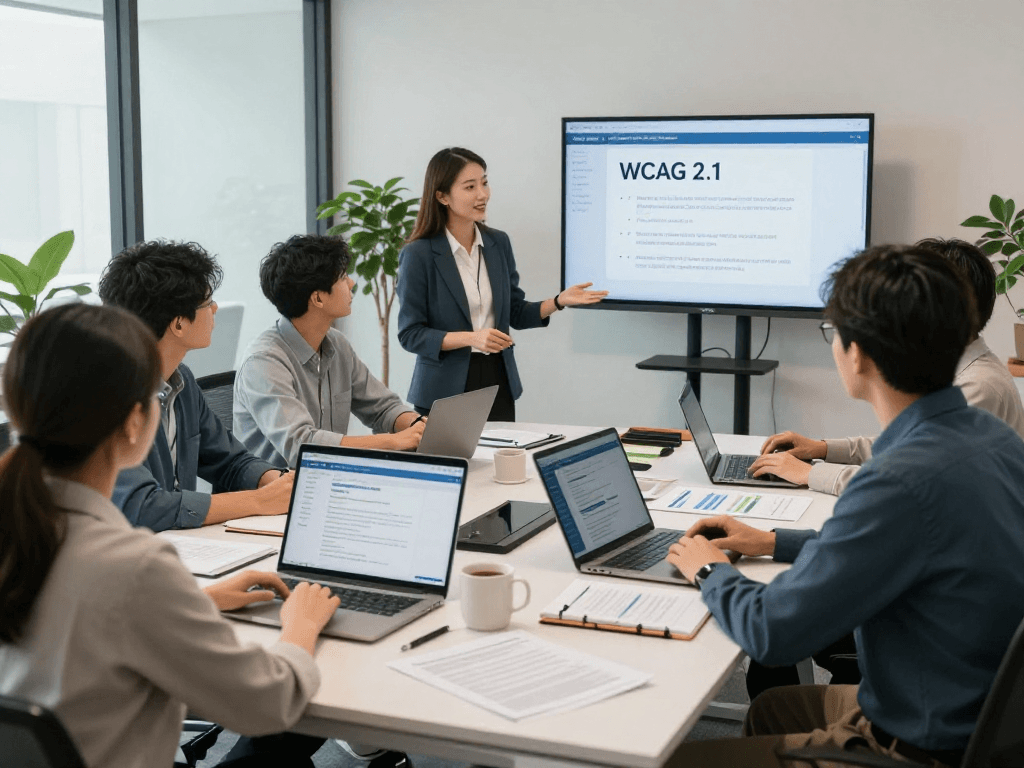
Understanding the Importance of Branchenlösungen
In today's rapidly evolving digital landscape, industries across the spectrum face unique challenges regarding data protection, IT security, and digital accessibility. These issues are particularly pronounced in sectors like healthcare, public institutions, and technical services, where compliance with stringent regulations is critical. Tailored solutions, known as Branchenlösungen, provide businesses with the specific frameworks needed to navigate these complexities effectively. When exploring options, Branchenlösungen – Übersicht offers comprehensive insights into industry-specific solutions that enhance operational efficiency and compliance.
What Are Branchenlösungen?
Branchenlösungen are customized strategies designed to address the unique requirements of various sectors. They encompass a wide range of services, from ensuring data protection according to GDPR to implementing IT security measures tailored to specific organizational needs. By providing both compliance and operational support, these solutions empower businesses to maintain legal standards while promoting inclusivity and accessibility.
Key Benefits of Tailored Solutions
- Enhanced Compliance: Tailored solutions help businesses meet regulatory frameworks like GDPR and the Digital Services Act, minimizing legal risks.
- Improved Accessibility: By adhering to guidelines such as WCAG 2.1, organizations can ensure that their digital offerings are accessible to all individuals.
- Operational Efficiency: Customized strategies enable organizations to streamline processes and allocate resources more effectively, thereby enhancing productivity.
- Customer Trust: Implementing effective data protection and accessibility measures builds trust with clients and stakeholders, fostering long-term relationships.
Industry-Specific Challenges and Solutions
Each sector encounters distinct hurdles that require specialized solutions. For instance, healthcare providers face stringent patient confidentiality requirements, while public institutions must comply with transparency and accountability standards.
Branchenlösungen cater to these unique challenges by offering tailored services. For example, MUNAS Consulting supports healthcare practices with the legal implementation of data protection measures, ensuring compliance with both the GDPR and existing healthcare regulations.
Legal Framework: Navigating GDPR and Data Protection
GDPR Fundamentals for Businesses
The General Data Protection Regulation (GDPR) has set a high standard for data protection across Europe. It requires businesses to adopt proactive measures to protect the personal data of their clients, including implementing clear consent protocols and ensuring data portability. Furthermore, adherence to these regulations is not just a legal requirement but also a business imperative, as non-compliance can result in substantial fines and reputational damage.
Compliance Strategies for Different Industries
Industries vary in their data handling practices and the nature of the information they process. For instance, a medical practice will handle sensitive health information, while a retail company may deal with less sensitive customer data. Compliance strategies need to be tailored accordingly:
- Healthcare: Regular audits and rigorous data management protocols are essential.
- Education: Institutions must ensure that student data is handled under strict confidentiality agreements.
- Retail: Businesses should focus on secure payment processing and data encryption.
Consequences of Non-Compliance
Failure to comply with GDPR can have severe ramifications. Organizations may face hefty fines, legal actions, and a loss of customer confidence. For instance, a 2021 case involving a major airline resulted in a fine of over €20 million due to inadequate data protection practices. Such examples underline the necessity for businesses to implement robust compliance measures.
Ensuring Digital Accessibility: WCAG 2.1 Guidelines
Overview of WCAG 2.1 Principles
The Web Content Accessibility Guidelines (WCAG) 2.1 establish a framework for developing accessible digital content. These guidelines are centered around four core principles: Perceivable, Operable, Understandable, and Robust (POUR). Each principle contains specific guidelines and success criteria that organizations must follow to ensure their digital offerings are accessible.
Steps to Implement Digital Accessibility
Implementing digital accessibility requires a structured approach:
- Conduct an Accessibility Audit: Assess current digital offerings against WCAG guidelines.
- Train Staff: Educate employees on accessibility best practices and the importance of inclusion.
- Integrate Accessibility into Development Processes: Ensure that all new digital content meets accessibility standards from the outset.
- Continuous Improvement: Regularly review and update accessibility measures to align with evolving guidelines.
Case Studies: Successful Accessibility Implementations
Several organizations have successfully implemented accessibility measures, demonstrating the positive impact these initiatives can have:
- University of XYZ: Improved its website accessibility, leading to a 30% increase in student applications from diverse backgrounds.
- Company ABC: Enhanced their online shopping platform to be fully accessible, resulting in a significant uptick in overall sales and customer satisfaction.
Effective IT Security Measures for Every Sector
Identifying Common IT Security Risks
As organizations increasingly rely on digital solutions, the threat landscape evolves. Common IT security risks include:
- Data breaches resulting from insufficient security measures.
- Phishing attacks targeting employees.
- Ransomware threats crippling operational capabilities.
Implementation of Technical and Organizational Measures (TOMs)
To mitigate these risks, organizations must implement comprehensive Technical and Organizational Measures (TOMs). These may include:
- Data Encryption: Protect sensitive information both at rest and in transit.
- Access Controls: Limit data access based on employee roles.
- Regular Security Training: Ensure staff is equipped to identify and respond to security threats.
Audit and Continuous Improvement Frameworks
Continuous monitoring and auditing are vital for maintaining robust IT security. Organizations should establish regular review processes to evaluate the effectiveness of their security measures and make necessary adjustments. This proactive approach not only helps in managing risks but also aligns with compliance requirements.
The Future of Data Protection and Accessibility in 2026
Emerging Trends in Data Privacy
As we move toward 2026, several trends are shaping the landscape of data protection and accessibility:
- Greater Emphasis on Privacy by Design: Companies will increasingly adopt privacy considerations in their service design.
- AI and Machine Learning: Leveraging these technologies will help in predictive analytics for security threats.
- Increased Regulation: Expect more stringent laws focused on data privacy and accessibility.
Future-Proofing Your Business for Digital Accessibility
Organizations must embrace a forward-thinking approach to digital accessibility. Future-proofing strategies can include:
- Regularly updating training programs to keep pace with new accessibility standards.
- Investing in technologies that enhance accessibility across digital platforms.
- Engaging with disabled communities for feedback on accessibility efforts.
Expert Predictions: What to Expect in the Next Five Years
Industry experts predict that businesses prioritizing data protection and accessibility will gain a competitive edge. Organizations demonstrating commitment in these areas are likely to attract more customers and foster loyalty.
How Can Businesses Prepare for Upcoming Changes?
Preparation requires a proactive mindset. Here are several steps businesses can take:
- Stay informed about changes in regulations impacting data protection and accessibility.
- Regularly assess internal procedures to align with best practices.
- Create designated roles for compliance and accessibility within organizations.
Frequently Asked Questions about Branchenlösungen
What are the key components of a Branchenlösung?
A Branchenlösung typically includes compliance framework establishment, tailored IT security measures, and strategies for digital accessibility aligned with industry standards.
How does GDPR impact small businesses?
GDPR affects small businesses by necessitating compliance measures, which can require investment in data management systems and training. However, it also enhances customer trust and responsibility.
What resources are available for improving digital accessibility?
Organizations can access a variety of resources, including online training, consultation services, and WCAG compliance checklists to improve their digital accessibility.
How can organizations measure the effectiveness of their IT security?
Effectiveness can be gauged through regular audits, testing of security protocols, and monitoring for incidents or breaches over time.
What trends should businesses watch in data protection?
Key trends include the rise of privacy-centric legislation, advancements in security technologies, and shifting consumer expectations regarding data privacy.